



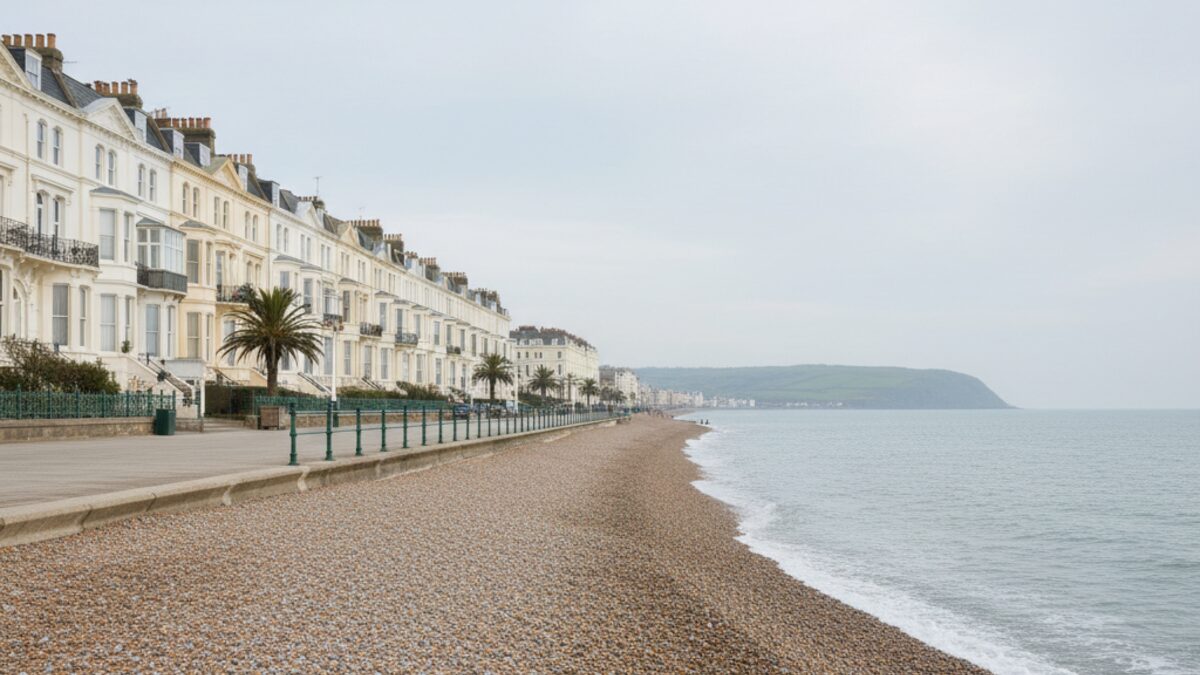
Brighton is a city of two halves, or rather, 37 postcode districts. The BN postcode area, centred on the city itself but sprawling across the Sussex coast and into the Weald, is a study in contrasts: seaside glamour meets suburban sprawl, and some of the most expensive real estate in the South East sits just a short drive from more affordable corners. With a population of nearly 837,000 people, the BN area is a microcosm of modern Britain, where the price of a front door can vary by more than a factor of two, and where the quality of life, measured by deprivation and school standards, shifts from district to district.
The numbers paint a vivid picture. The average property in the BN area changes hands for £418,843, a figure that is 20 per cent above the England and Wales average. But that headline figure masks a remarkable range. The dearest district, BN5 in Henfield, commands an average of £620,727, while the cheapest, BN21 in Eastbourne, comes in at £277,865. That is a gap of roughly 2.2 times. Deprivation, measured by the Index of Multiple Deprivation, averages a middling 6.1 out of 10 (where 1 is most deprived and 10 least), but swings from a low of 3 to a high of 8 across the districts. And of the 190 schools inspected by Ofsted in the area, just 10 per cent have been rated Outstanding. So, what does all this tell us about life in the BN postcodes?
At a Glance
Here is the essential data for the BN postcode area, drawn from official sources including the ONS, HM Land Registry, the English Indices of Deprivation, and Ofsted.
Brighton at a glance
- Population: about 836,968
- Postcode districts: 37
- Average sale price: £418,843 (+20% vs the England and Wales average)
- Schools rated Outstanding: 10% (19 of 190)
The BN area covers 37 postcode districts and has a population of approximately 836,968. The average house price is £418,843, which is 20 per cent above the England and Wales average. The most expensive district is BN5 (Henfield) at £620,727; the cheapest is BN21 (Eastbourne) at £277,865. The average Index of Multiple Deprivation decile is 6.1 out of 10, ranging from 3 to 8 across districts. Of 190 Ofsted rated schools, 10 per cent hold the top grade of Outstanding.
The Property Divide
| Postcode district | Average price | |
|---|---|---|
| Most expensive district | BN5 (Henfield) | £620,727 |
| Least expensive district | BN21 (Eastbourne) | £277,865 |
The property market in the BN postcodes is a tale of two price brackets. At the top end, BN5 Henfield, a leafy village in the West Sussex countryside, commands an average sale price of £620,727. This is a world of period homes, large gardens, and commuter train links to London, where the rural idyll comes at a premium. At the other end of the scale, BN21 Eastbourne, a coastal town with a more modest reputation, offers an average price of £277,865. The gap between the two is about 2.2 times, meaning a buyer in Henfield could afford roughly two and a quarter homes in Eastbourne for the same money.
This divide is not just about location. It reflects the economic geography of the South East: the wealthy commuter belt versus the seaside towns that have struggled to reinvent themselves. Brighton itself, the urban heart of the BN area, sits somewhere in the middle, with prices in the city's central districts typically above the area average but below the Henfield peak. The spread of prices across the 37 districts illustrates that the BN postcode area is not a single housing market but a collection of local ones, each with its own character and cost.
Rich and Poor
Deprivation in the BN area is, on average, slightly better than the English median, with a mean decile of 6.1 out of 10. But the range is significant: from a low of 3 in the most deprived districts to a high of 8 in the least. This means that while some parts of the BN area enjoy relative affluence, others face real challenges. The most deprived districts tend to be in parts of Brighton itself and in some coastal towns, where lower property prices and higher unemployment often go hand in hand.
The least deprived districts, with deciles of 7 or 8, are typically the more rural or suburban areas, such as those around Henfield and the better-heeled parts of the city. The gap between the richest and poorest districts is not as stark as in some other postcode areas, but it is a reminder that even in a relatively prosperous region, inequality persists. The Index of Multiple Deprivation captures not just income but also health, education, crime, and living environment, so these figures offer a rounded view of quality of life across the BN postcodes.
Schools
Education in the BN area is a mixed picture. Of the 190 schools rated by Ofsted, only 10 per cent have been awarded the top grade of Outstanding. This is below the national average for England, where around 18 per cent of schools are Outstanding. The majority of schools in the BN area are rated Good, with a smaller number requiring improvement or being inadequate. The distribution of Outstanding schools is not uniform: they tend to cluster in the more affluent districts, where parental demand and local funding often produce better results.
Parents in the BN area, particularly those in the pricier districts, may find themselves competing for places at the few Outstanding schools, while those in more deprived areas face a more limited choice. The figures do not reveal the full story of individual school performance, but they do suggest that the BN area, for all its charms, is not an educational paradise. The gap between the best and the rest is another dimension of the inequality that runs through these postcodes.
The Bottom Line
The BN postcode area is a place of contrasts. It offers the buzz of Brighton, the calm of the countryside, and the challenges of coastal towns, all within a few miles of each other. The average house price of £418,843, 20 per cent above the national average, reflects the area's desirability, but the wide range from £277,865 to £620,727 shows that affordability varies enormously. Deprivation, at a middling 6.1 out of 10, suggests that life here is broadly comfortable, but the low of 3 is a reminder that not everyone shares in the prosperity.
Schools, with only 10 per cent Outstanding, are a weak spot, and the property divide means that where you live in the BN area can determine not just your housing costs but your access to good education and a decent quality of life. For those who can afford the pricier districts, the BN area offers a high standard of living. For others, it is a more mixed experience. In the end, the numbers tell a story of a region that is both privileged and uneven, a classic slice of the South East of England.