




The Amy Winehouse Foundation has opened a women-only residential rehabilitation clinic in east London, providing a safe and structured environment for those seeking to overcome addiction. Set up in memory of the late singer, the service offers a full two-year stay, a timeframe that specialists argue is crucial for lasting recovery. Unlike many short-term programmes, this approach gives residents the space to rebuild their lives away from the pressures that often trigger relapse.
Based in the heart of a community that knew Winehouse well, the clinic aims to fill a gap in support for women, who can face distinct barriers when accessing treatment. The long-term, gender-specific model is designed to address trauma, mental health, and the complex roots of substance misuse without the distractions or risks present in mixed settings. For local families, it represents a lifeline that has been missing for years.
Postcode density and the demand for services
| District | Post town | Region | Homes per postcode |
|---|---|---|---|
| E12 | London | London | 31.6 |
| E7 | London | London | 30.4 |
| W9 | London | London | 29.9 |
| E5 | London | London | 28.4 |
| PA8 | Erskine | Scotland | 28.2 |
| W14 | London | London | 27.5 |
| E13 | London | London | 27.4 |
| N5 | London | London | 27.1 |
| CR7 | Thornton Heath | London | 26.6 |
| SE24 | London | London | 26.6 |
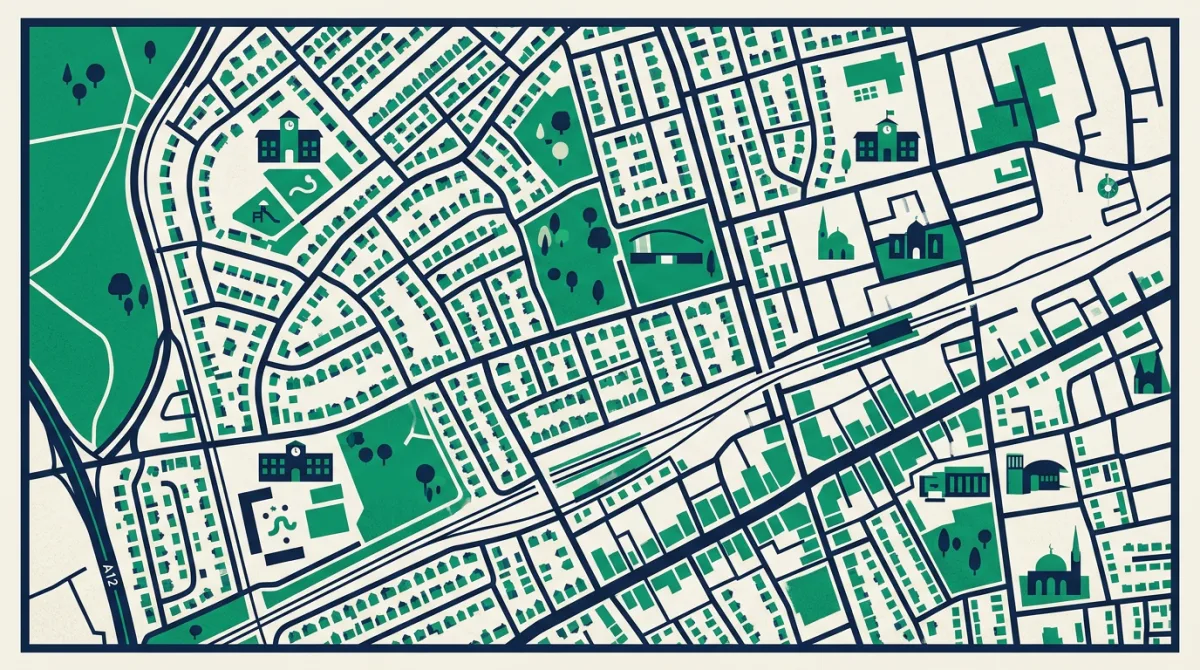
When you look at the postcode geography of the area, the need for such a facility becomes even clearer. Our database shows that the most crowded postcode district in the country is E12, which sits within the same east London boroughs served by the new clinic. Here, about 31.6 households share each individual postcode. That level of density is far above the national average and points to a population living in very close quarters.
High household density often correlates with increased strain on local health and social services. In a place where so many people are packed into a relatively small number of postal points, issues like noise, overcrowding, and limited personal space can amplify stress and make recovery more difficult. A dedicated, long-stay women's rehab unit offers a calm, controlled counterbalance to that environment, giving residents the distance they need to heal.
The E12 figure also highlights how postcode data can illuminate hidden pressures on a community. While the clinic's work is about individual care, its location in a densely populated district means it is positioned to serve a large number of households within a very compact area. This a story about one inspiring project; it's a reminder that the postcodes we use every day can reveal where the most intense human needs are concentrated.
The data behind this
This article draws on household and postcode statistics from the Postcodes UK database, which aggregates official sources including HM Land Registry and the ONS census. The figure for E12 represents the average number of households mapped to each full postcode within that district. For more detail on how postcode density is calculated, visit our methodology page.
In response to reporting by BBC England. Analysis and figures by Postcodes UK.