



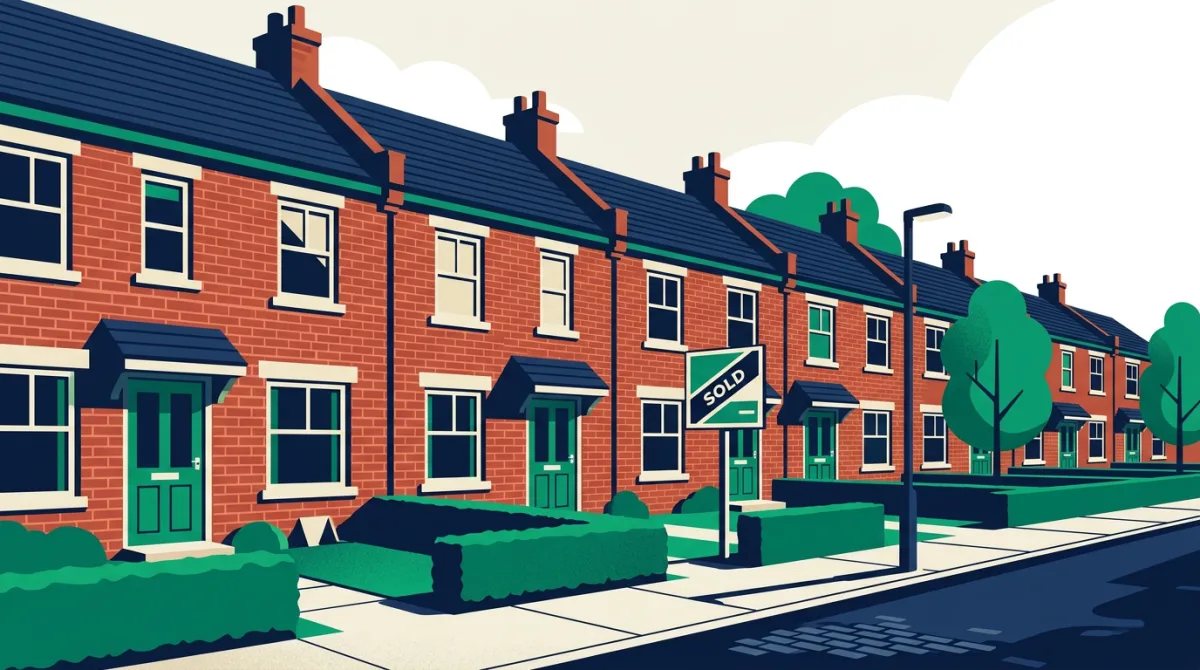
The latest house price index from e.surv shows that semi-detached and terraced properties have outpaced other housing types over the past year. In the twelve months to August, semi-detached homes recorded a 2.6% increase, while terraced homes rose by 2.3%. These figures suggest that buyers are gravitating towards more affordable property types, possibly driven by higher mortgage rates and cost-of-living pressures.
This shift towards mid-market housing is noteworthy. While detached homes and flats have seen more modest movement, the steady growth in semi-detached and terraced values points to sustained demand in the owner-occupier and first-time buyer segments. The data, drawn from mortgage valuations, reflects real-world transactions and offers a reliable snapshot of market sentiment.
Where the bargains remain
| District | Post town | Region | Average price |
|---|---|---|---|
| SR1 | Sunderland | North East | £69,939 |
| DL4 | Shildon | North East | £79,214 |
| TS1 | Middlesbrough | North East | £80,533 |
| TS3 | Middlesbrough | North East | £82,642 |
| DN31 | Grimsby | Yorkshire and The Humber | £82,845 |
| HU2 | Hull | Yorkshire and The Humber | £86,318 |
| SR8 | Peterlee | North East | £89,506 |
| CF43 | Ferndale | Wales | £90,459 |
| BD1 | Bradford | Yorkshire and The Humber | £93,903 |
| DL17 | Ferryhill | North East | £98,478 |
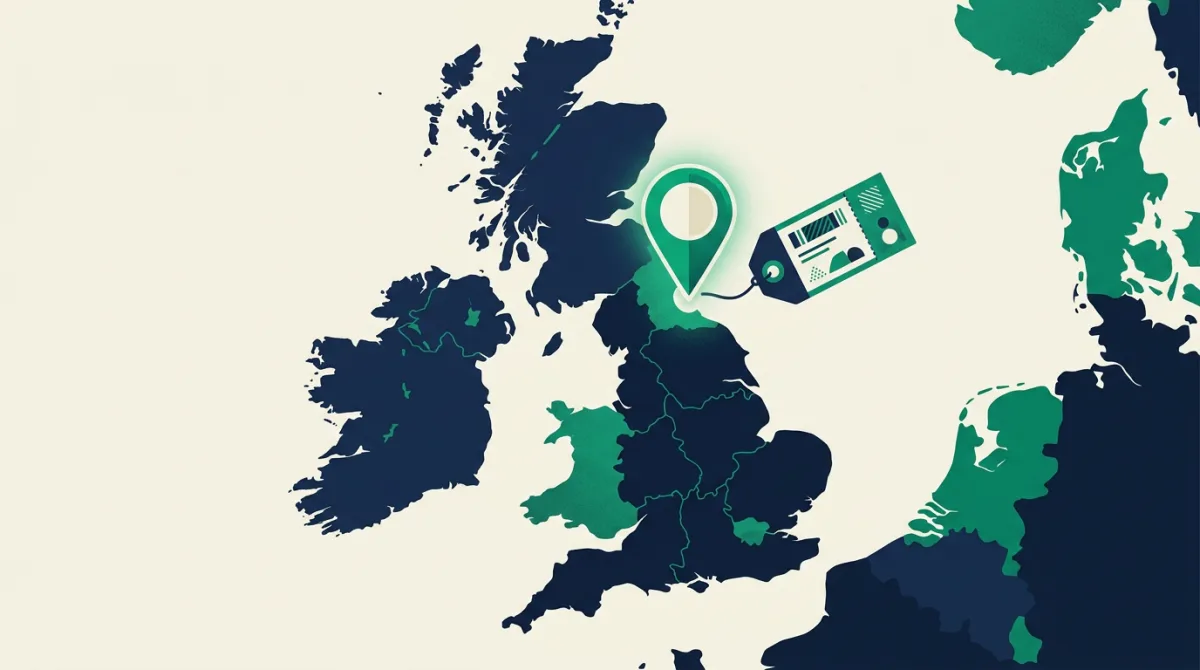
Despite the national upward trend, our own database at Postcodes UK reveals that significant affordability gaps persist across the country. The cheapest postcode district in our latest analysis is SR1, covering Sunderland city centre, where the average property price stands at just £69,939. This figure is a stark reminder that even as semi-detached and terraced prices climb on average, there are still entry points for buyers on a budget.
For those priced out of faster-growing markets, postcode districts such as SR1 demonstrate that value can still be found. The full table above shows a range of prices across the UK, but SR1 stands out as the most affordable. While the e.surv data highlights broad-based growth in the semi-detached and terraced sectors, local markets can tell a very different story, and careful postcode-level research remains essential for anyone looking to buy.
The data behind this
The average property prices by postcode district are sourced from HM Land Registry sold price data, combined with census information from the Office for National Statistics and our own Postcodes UK database. This ensures a comprehensive view of actual transaction values rather than asking prices. The e.surv house price index referenced in the news story is based on mortgage valuation data and provides a timely indicator of market movements.
In response to reporting by The Intermediary. Analysis and figures by Postcodes UK.