



Rightmove's latest analysis of asking price growth around six major urban locations has drawn attention to the enduring appeal of cities and their commuter satellites. The property portal examined listed prices in a selection of hotspots, highlighting where seller expectations are climbing fastest. Unsurprisingly, well-connected towns within striking distance of regional employment hubs feature prominently, reflecting the sustained demand for space and accessibility that has defined the market in recent years.
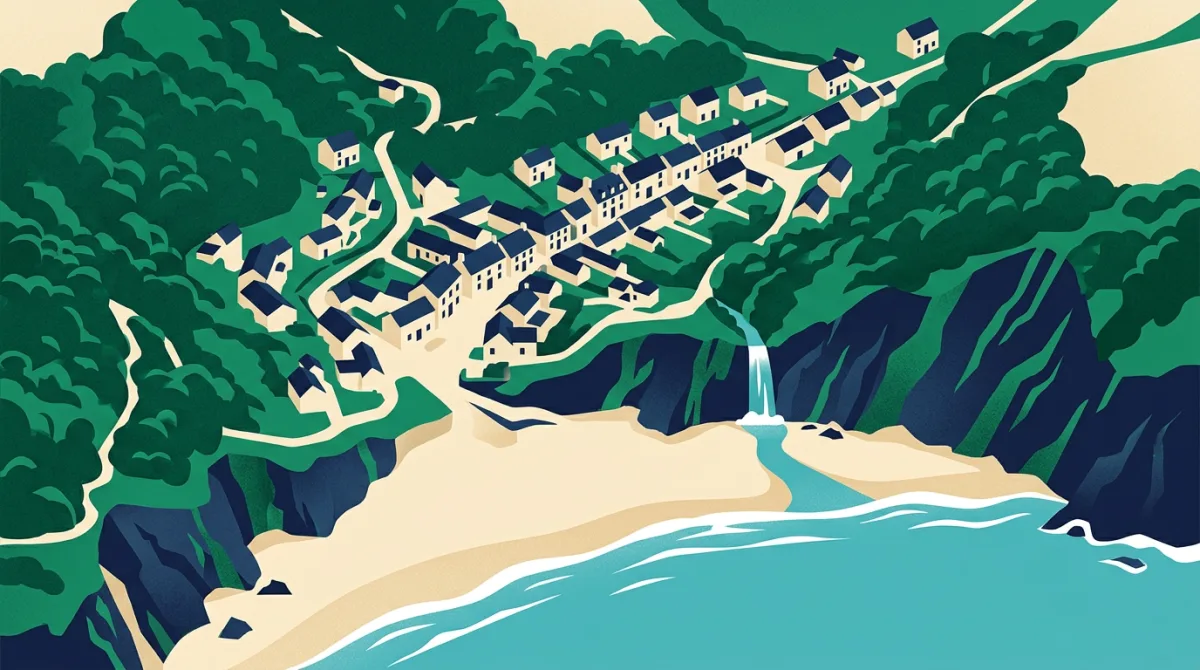
Yet beneath the headline figures lies a more nuanced geography. The ranking does not consist solely of sprawling suburbs or bustling market towns. When Postcodes UK mapped the built-up area of each location in the Rightmove study, a very different kind of place stood out. Tresaith, a coastal village in Ceredigion, occupies a footprint of just 0.2 square kilometres. It is, by some margin, the smallest settlement to appear in the asking price growth ranking.
Asking price hotspots: a closer look at scale
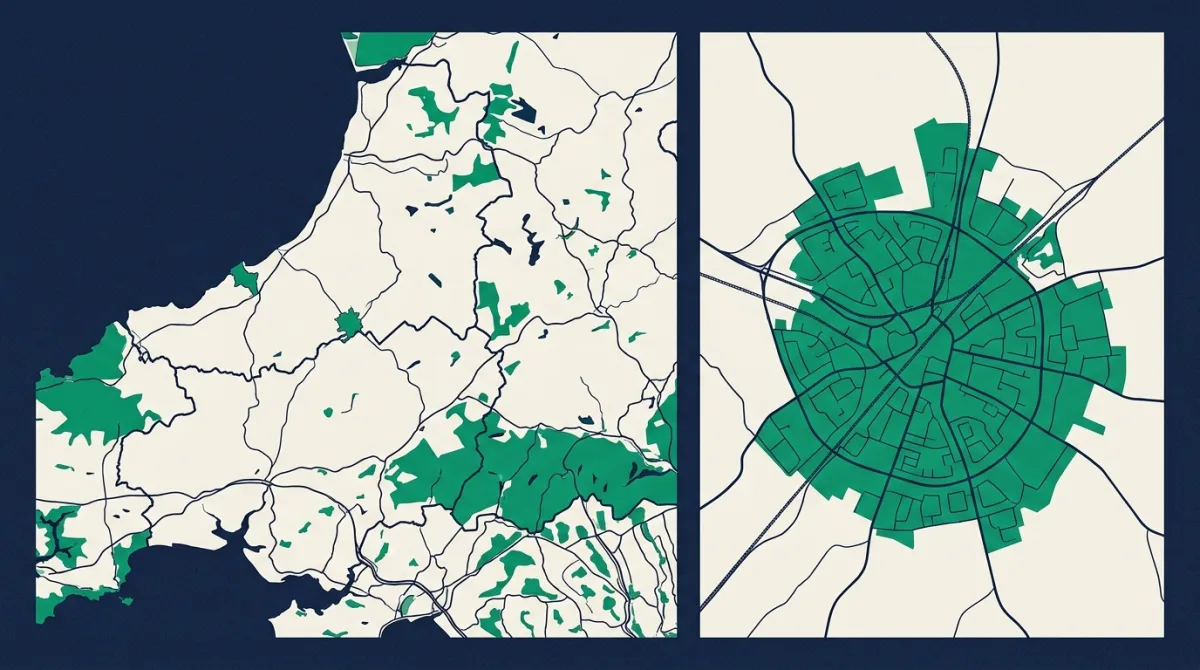
| Town | County | Built-up area |
|---|---|---|
| Tresaith | Ceredigion | 0.2 km² |
| Bitteswell | Leicestershire | 0.2 km² |
| Worth Matravers | Dorset | 0.2 km² |
| Dorton | Buckinghamshire | 0.2 km² |
| Fordstreet | Essex | 0.2 km² |
| Martley | Worcestershire | 0.2 km² |
| Kirklington | Nottinghamshire | 0.2 km² |
| Lythbank | Shropshire | 0.2 km² |
| Longden | Shropshire | 0.2 km² |
| Stow Bridge | Norfolk | 0.2 km² |
What Tresaith’s sise tells us about price growth
The presence of such a compact community in a list dominated by larger urban and suburban areas is striking. Tresaith’s tiny built-up area means the number of homes that can ever come to market is severely limited. Even a modest uptick in buyer interest can translate into sharp asking price increases, because supply cannot easily expand. This dynamic is familiar in rural and coastal pockets, but it rarely registers in national indices that focus on transaction volumes or average prices.
For prospective buyers, the data serves as a reminder that headline growth figures can mask very different local realities. A commuter town with hundreds of listings may see steady, broad-based price rises, while a village like Tresaith experiences more volatile movements driven by a handful of properties. The 0.2 square kilometre figure, drawn from Postcodes UK’s own geographic database, underscores how physical constraints shape market behaviour. In such a setting, a single high-value sale can skew the average asking price significantly, making the location appear in a growth ranking alongside far larger settlements.
There is also a lifestyle dimension. Tresaith’s appeal is not built on rail links or motorway junctions but on its beach, its waterfall, and the surrounding Ceredigion coastline. The pandemic-era shift towards remote working has allowed more buyers to consider such places, even if they lie well beyond traditional commuter belts. The Rightmove data suggests that this trend has not fully receded, and the Postcodes UK sise analysis shows that the most intense pockets of demand can be found in the smallest of communities.
For policymakers and planners, the finding raises questions about how to manage growth in environmentally sensitive, tightly constrained areas. A village of 0.2 square kilometres cannot absorb significant development without losing its character. The tension between preserving what makes a place attractive and accommodating new households is acute, and asking price data often provides the first signal of that pressure.
Postcodes UK will continue to monitor how built-up area sise correlates with price movements across the country. By combining Land Registry sold prices, census geography, and our own postcode district boundaries, we aim to illuminate the hidden patterns that aggregate statistics obscure.
The data behind this
The asking price growth ranking was published by Rightmove and reported by Property Industry Eye. Built-up area measurements for the locations in that ranking were calculated by Postcodes UK using Ordnance Survey data and our national postcode district database. The smallest built-up area identified was Tresaith (Ceredigion) at 0.2 square kilometres. Background price and transaction data referenced in our analysis draws on HM Land Registry price paid data and ONS census output area definitions.
In response to reporting by Property Industry Eye. Analysis and figures by Postcodes UK.