



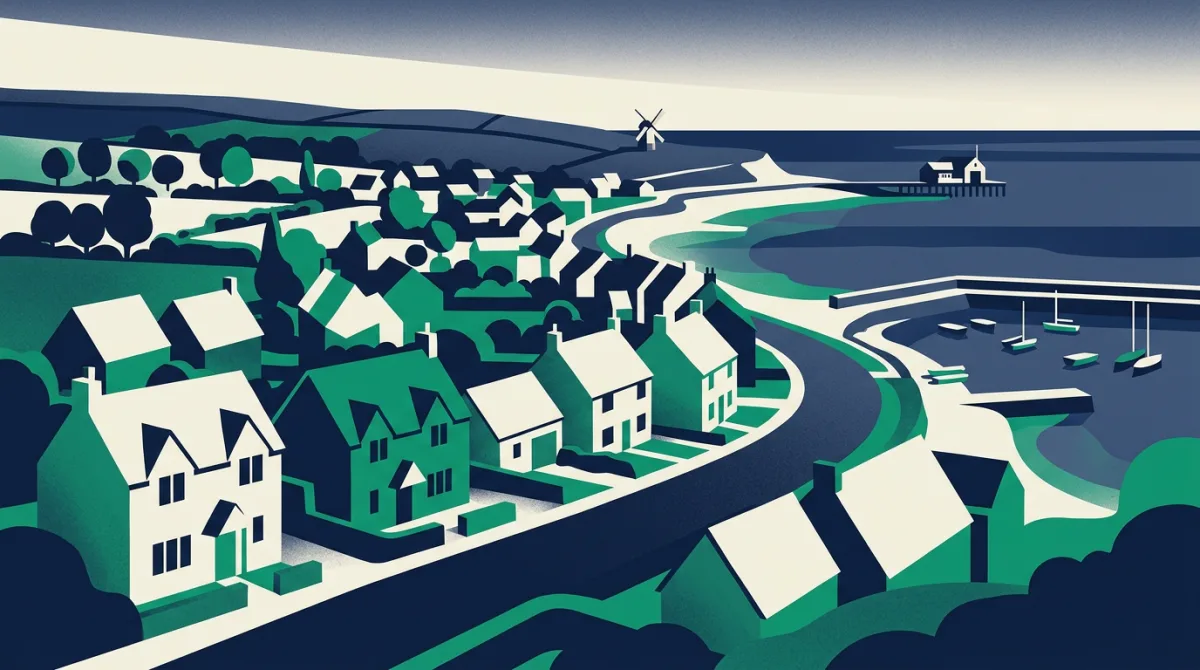
A recent discussion highlighted by the BBC suggests that building a modest number of new homes on the edges of villages could be a practical way to strengthen rural economies. Experts argue that small developments, perhaps around 15 dwellings per settlement, would provide gentle growth without spoiling the countryside.
The idea is that these extra homes would help sustain local services, schools, shops, and pubs, by bringing in new residents and supporting the existing community. Rather than large estates, incremental building could keep villages vibrant and economically viable.
Where the older population is highest
| District | Post town | Region | Aged 65+ |
|---|---|---|---|
| PO35 | Bembridge | South East | 46.0% |
| PE36 | Hunstanton | East of England | 44.1% |
| BH13 | Poole | South West | 43.7% |
| PO39 | Totland Bay | South East | 42.7% |
| LN12 | Mablethorpe | East Midlands | 42.6% |
| EX12 | Seaton | South West | 42.2% |
| IP18 | Southwold | East of England | 41.7% |
| PO34 | Seaview | South East | 41.6% |
| LL74 | Tyn-y-Gongl | Wales | 41.2% |
| NR25 | Holt | East of England | 41.2% |
The table above reveals the postcode districts with the greatest share of residents aged 65 and over. Topping the list is PO35, which covers the village of Bembridge on the Isle of Wight. Here, 46.0% of the population falls into this older age group, a figure far above the national average.
What the data means for new village homes
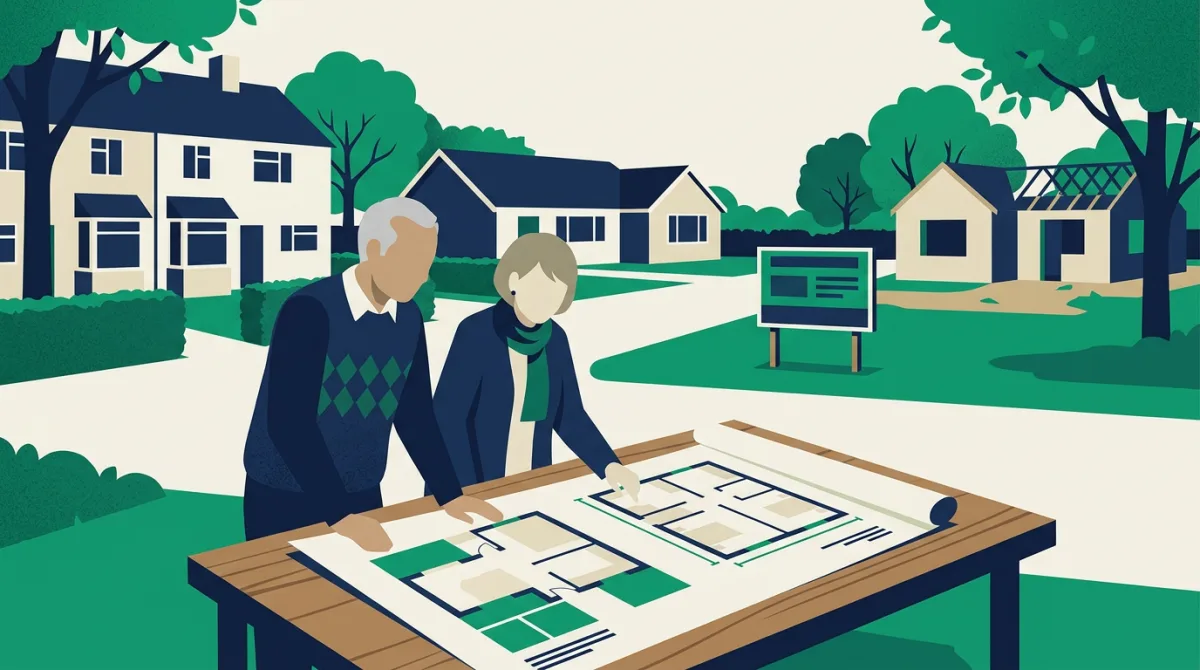
In a place like Bembridge, where nearly half of all residents are over 65, the type of housing that gets built matters greatly. A blanket policy of 15 new homes per village could look very different depending on local demographics. For PO35, the priority might be homes that are accessible, easy to maintain, and close to amenities, properties that allow older people to downsise without leaving the community they know.
Small developments on the village edge could include bungalows or level-access flats, designed with later life in mind. When older residents move into such homes, they often free up larger family houses, which can then attract younger households. This kind of churn can help rebalance the age profile of a village over time, supporting the school and keeping the local shop busy.
The BBC report notes that boosting the rural economy is a key aim of the 15-home proposal. In an area like Bembridge, where the high proportion of pensioners means a significant part of the local spending power is in the hands of older consumers, new homes tailored to their needs could encourage them to stay and spend locally. At the same time, making room for younger families could bring fresh energy and demand for services.
It is important to remember that PO35 is just one example. Other villages will have different age mixes, and the 15-home idea would need to be flexible. But the data from Postcodes UK highlights why a one-sise-fits-all approach to rural housing may miss the mark. By looking at the age structure of individual postcode districts, planners can better match new homes to local need.
The data behind this
The proposal to build 15 homes in every village was reported by BBC England. The age profile statistics for postcode districts come from Postcodes UK, which analyses official population estimates. The table shows the districts with the highest percentage of residents aged 65 and over.
In response to reporting by BBC England. Analysis and figures by Postcodes UK.