


Plymouth is a city of two stories. On one side, the salty air of the Cornish coast, the pasty shops and the maritime heritage of the Barbican. On the other, the urban grid of a post-war rebuild, the university buzz and the quiet hum of suburban life. Its postcode area, PL, stretches far beyond the city limits, scooping up seaside towns and inland villages that share little more than a postal route. This is a profile of a place where the numbers tell a tale of contrast, from the pricey coves of north Cornwall to the more affordable streets of the city centre.
At a Glance
The PL postcode area is home to roughly 564,940 people spread across 36 districts. The average property here sells for £285,528, a figure that sits 18 per cent below the England and Wales average. Deprivation, measured by the Index of Multiple Deprivation, averages a middling 4.9 out of 10 across the area, though the range is wide, from a relatively comfortable 8 to a more struggling 3. Of the 194 schools inspected by Ofsted, just 7.2 per cent have earned the top grade of Outstanding.
Plymouth at a glance
- Population: about 564,940
- Postcode districts: 36
- Average sale price: £285,528 (-18% vs the England and Wales average)
- Schools rated Outstanding: 7.2% (14 of 194)
The Property Divide
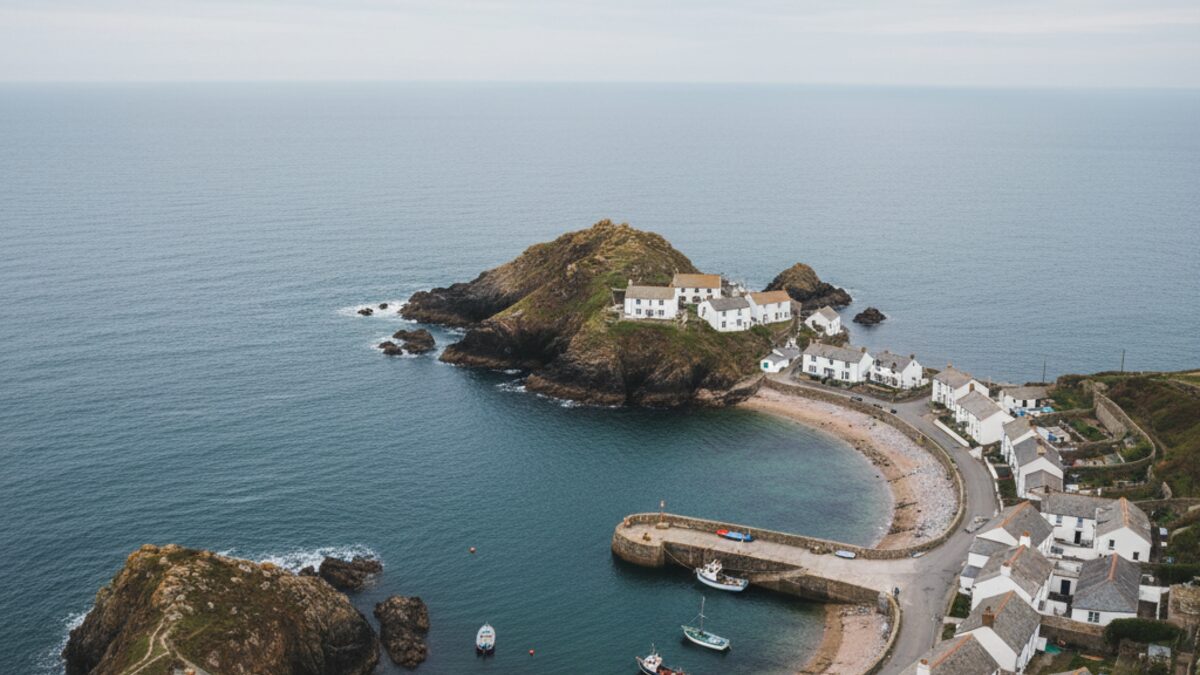
The gap between the cheapest and most expensive postcode districts in PL is a chasm. At the top sits PL28, the district of Padstow on the north Cornish coast, where the average sale price reaches £652,824. This is the realm of celebrity chef restaurants, harbour views and second homes, a world away from the city. At the bottom is PL4, the district covering Plymouth's city centre and its student-heavy streets, where the average home costs just £197,619. That is a gap of roughly 3.3 times, a stark reminder that a few miles of road can mean a very different property market.
| Postcode district | Average price | |
|---|---|---|
| Most expensive district | PL28 (Padstow) | £652,824 |
| Least expensive district | PL4 (Plymouth) | £197,619 |
The divide is not just about geography but about what you get for your money. In PL4, you are buying a Victorian terrace or a flat near the university, often with a rental yield in mind. In PL28, you are buying a slice of the Cornish dream, a cottage or a modern house within walking distance of the Camel Estuary. The rest of the PL area sits somewhere in between, with districts like PL1 (Plymouth's historic waterfront) and PL9 (the suburb of Plymstock) offering a more balanced mix of price and space. The property divide here is a simple equation: the closer to the coast and the further from the city centre, the higher the price tag.
Rich and Poor
The deprivation figures for the PL area paint a picture of a region that is neither uniformly wealthy nor uniformly poor. The average decile of 4.9 out of 10 places it just below the midpoint of the English scale, where 1 is most deprived and 10 is least. But the range is telling. The most affluent districts, those scoring an 8, are likely the coastal and rural areas such as PL28 and parts of PL8 (the Yealmpton area), where house prices and lifestyles reflect a more comfortable existence. At the other end, districts scoring a 3 are found in parts of Plymouth itself, particularly in the inner city and some of the post-war estates where employment and health outcomes lag behind.
This is not a story of extreme polarisation, but of a steady gradient. The city of Plymouth, with its naval base and manufacturing history, has pockets of real deprivation that sit alongside more prosperous suburbs. The coastal villages, by contrast, tend to be wealthier, buoyed by tourism and the commuter belt for those working in the city or remotely. The gap between rich and poor here is less about a single chasm and more about a series of steps, each postcode district a different rung on the ladder.
Schools
Education in the PL area is a mixed bag. Of the 194 schools rated by Ofsted, only 7.2 per cent have achieved the top grade of Outstanding. That is a low proportion, suggesting that most schools are rated Good or lower. The figure reflects a national trend where Outstanding ratings have become rarer, but it also hints at the challenges faced by schools in a region with significant deprivation. Parents in the more affluent districts, such as those around Padstow or the better suburbs of Plymouth, may have more choice, but the overall picture is one of a system that is solid rather than stellar.
The best performing schools tend to cluster in the wealthier areas, as is often the case. In the city, some primary schools and a handful of secondaries have managed to secure Outstanding status, but they are the exception. For most families, the local school is likely to be Good, which is a respectable outcome but not one that sets the region apart. The low proportion of Outstanding schools is a quiet concern, but it is balanced by the fact that many schools are rated as improving, and the city's university provides a steady stream of well qualified teachers.
The Bottom Line
Plymouth and its postcode area offer a genuine slice of British life, from the urban grit of the city to the coastal charm of Cornwall. The property market is affordable by national standards, with an average price nearly a fifth below the England and Wales benchmark, but the gap between the cheapest and most expensive districts is a sharp reminder that location is everything. Deprivation is a real issue in parts of the city, but the overall picture is one of a region that is neither rich nor poor, just somewhere in the middle. Schools are adequate rather than outstanding, and the coastal districts remain a draw for those who can afford them. For the buyer or the resident, the PL postcode area is a place of contrasts, where the numbers tell a story of a city and its hinterland, connected by a postal code but divided by price and opportunity.