




A proposal to upgrade mobile infrastructure in a historic part of Inverness has been submitted, with plans to replace six older antennas on the BT Telephone Exchange with nine new ones to support 5G services. The rooftop site sits within the city's Riverside Conservation Area, and the application will be considered by Highland Council.
The BT Telephone Exchange, a prominent building in the city centre, falls within an area where any alteration to its roofline requires careful assessment to ensure it does not harm the architectural character that the designation seeks to protect. The application proposes removing the six current antennas and their supporting steelwork, then installing nine new antennas and associated equipment cabinets. The new antennas would be painted to match the existing brickwork, a common mitigation measure in sensitive locations. The existing antennas, which are currently used for 4G and earlier network technologies, would be removed under the scheme. The new equipment is designed to deliver faster mobile data speeds and greater capacity for residents and businesses, but the visual impact on the surrounding streetscape is likely to be a key factor in the planning decision.
A snapshot of the IV1 postcode district
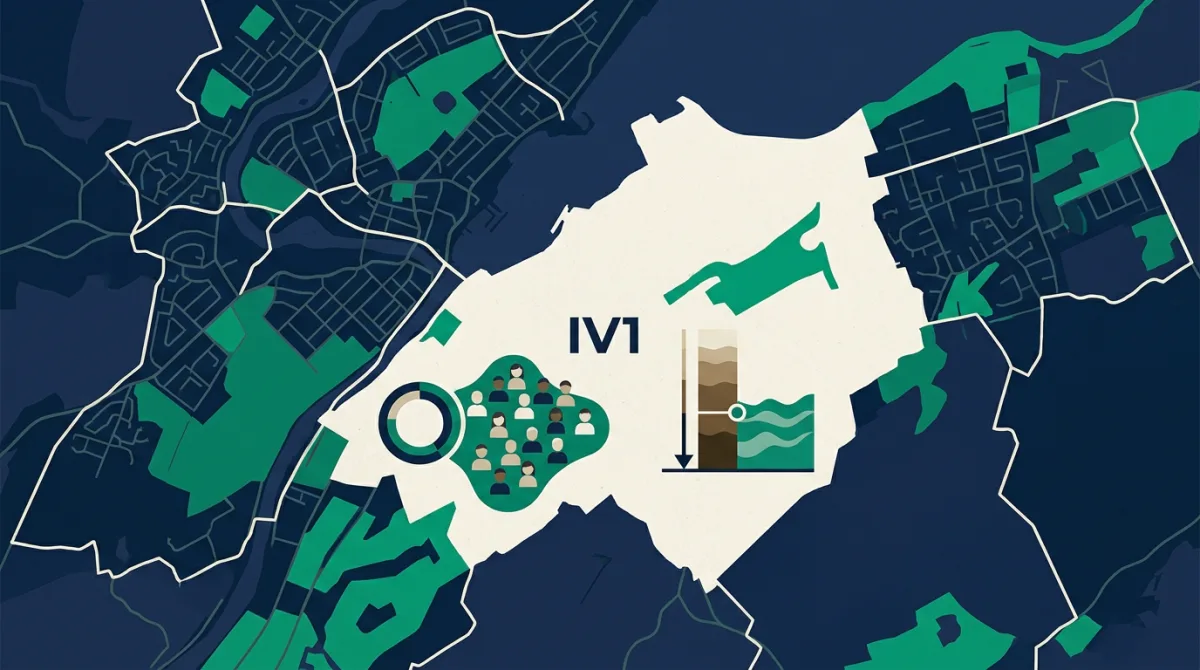
| An example postcode district in Inverness | |
|---|---|
| Postcode district | IV1 |
| County | Highland |
| Region | Scotland |
| Population (IV1) | 3,795 |
| Households | 1,210 |
| Elevation | about 13m above sea level (up to 120m) |
| Built-up area | 20 km² |
Why a densely populated, low-lying district stands to benefit
The IV1 postcode district is home to 3,795 people, making it one of the more populated parts of the city. With a relatively compact urban footprint, the area could see noticeable improvements in mobile network performance if the 5G upgrade proceeds. The district sits at an elevation of roughly 13 metres above sea level, a low-lying topography that can sometimes challenge signal propagation, particularly for high-frequency 5G signals that are more easily blocked by buildings and terrain.
While the BT exchange itself is a physical landmark, its role as a connectivity hub is less visible. The planned antenna swap would modernise the site without increasing the overall number of structures, as the nine new antennas would replace six older ones. For the thousands of residents in IV1 who rely on mobile data for work, streaming and everyday communication, the upgrade could translate into more reliable service indoors and on the move.
Postcode-level data helps to ground these infrastructure debates in the communities they affect. The figures for IV1 show a population that is neither the largest nor the smallest in Inverness, but one that sits at the heart of the city's communications network. As planning officers weigh the benefits of improved digital connectivity against heritage concerns, the local population density and physical geography of the district are practical considerations that often feature in such decisions.
From a network planning perspective, the elevation of a district matters because it influences how far a signal can travel without obstruction. At just 13 metres above sea level, IV1's terrain is relatively flat, which can be both an advantage and a drawback. On one hand, there are fewer hills to block signals; on the other, tall buildings in the city centre can create shadows that reduce coverage. The new antennas on the exchange rooftop would be positioned to serve this specific postcode area, potentially filling gaps that older equipment could not address.
The data behind this
The population and elevation figures for the IV1 postcode district come from Postcodes UK, which collates official statistics at a granular level. The news of the planning application was first reported by BBC Scotland.
In response to reporting by BBC Scotland. Analysis and figures by Postcodes UK.